How Southeast Asian Humidity Affects Wood Furniture and Fabric Care
Singapore’s equatorial climate makes furniture care a year-round responsibility. Average relative humidity often fluctuates between 65% and 85%, while monsoon periods can push moisture levels higher. In HDB flats and condos across Tampines, Bedok and Punggol, that moisture can affect solid wood, upholstery, marble tables and the hardware that keeps everything working.
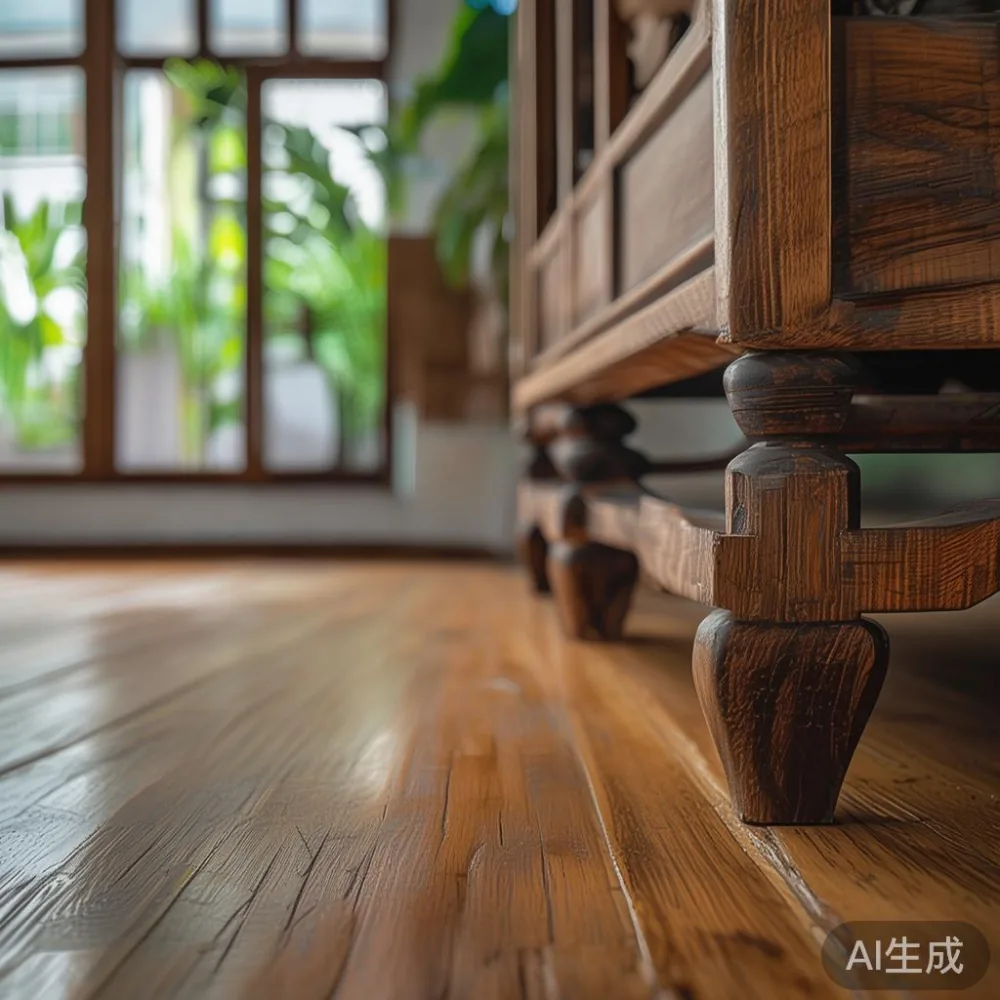
Wood expands as it absorbs moisture and contracts as it dries. A dining table placed beside a balcony may gain several millimetres of width across its grain, while a bed frame in an air-conditioned bedroom can lose moisture more quickly than the floor beneath it. Repeated movement can loosen joints, open small gaps and cause veneer or lacquer finishes to check. Fabric care matters too: cotton and linen can retain dampness and develop musty odours if airflow is poor.
For Singapore households, the practical answer is not to fight humidity with one appliance or one frantic cleaning session. It is to control moisture gradually, keep furniture away from persistent dampness, provide ventilation and inspect moving parts every 6 months. MIDHILL designs its solid wood furniture with dimensional stability in mind, and the same disciplined routine protects both its appearance and its structural integrity.
What does Southeast Asian humidity do to solid wood furniture?
Wood is hygroscopic: its moisture content changes in response to the surrounding air. In Singapore, a cabinet may experience a daytime relative humidity of 80% in a humid corridor and 55% in an air-conditioned bedroom. The resulting difference matters because the wood repeatedly swells and shrinks along the grain.
A solid wood sofa frame, bed frame or wardrobe should not be pushed tightly against an exterior wall. Leave at least 5 cm behind movable pieces and 10 cm where possible for air circulation. If a new wardrobe is delivered during monsoon season, acclimatise it for 7 to 14 days before adjusting shelves or tightening fittings. MIDHILL recommends a steady indoor range of about 45% to 65% relative humidity, measured with a simple hygrometer costing approximately SGD 25 to SGD 45.
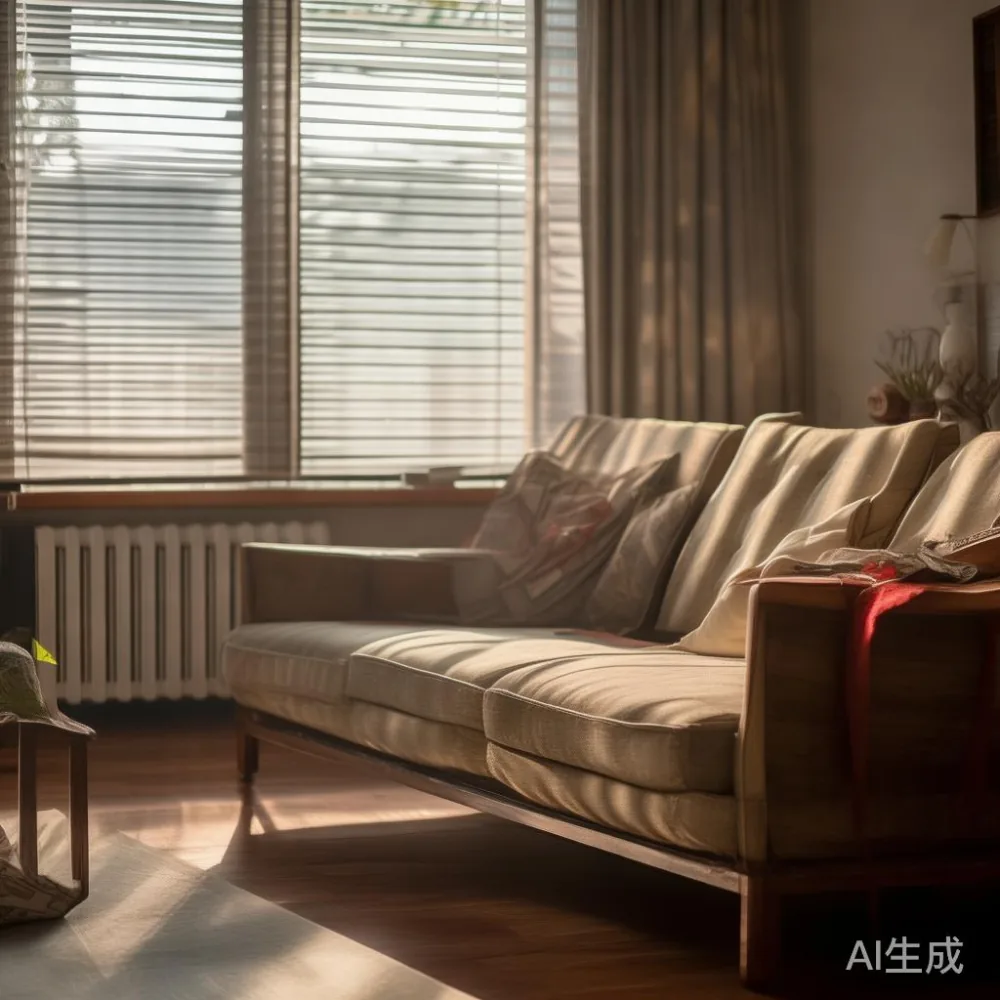
Seasonal changes should occur slowly. A dining table moved directly from a 75% humid room into a 50% air-conditioned space may react more sharply than one left near the entrance for 24 hours. Position furniture away from air-conditioning outlets that create repeated rapid swings of 10% or more within a day.
Solid wood does not warp merely because the weather is humid. Problems usually arise when high moisture is combined with poor ventilation, direct water exposure, a damp floor or furniture that is moved too soon after installation. In lift lobbies and open corridors, avoid leaving unpacked pieces overnight, especially during the 3 to 5 wettest months.
How humid is a typical Singapore home?
Relative humidity above 65% encourages slow moisture uptake in wood and fabrics. The condensation risk becomes greater when a surface is about 3°C cooler than the surrounding air, a common condition beside glass windows and tiled balcony doors during heavy rain.
In an HDB flat, measure the bedroom, living room and kitchen rather than assuming every zone behaves alike. A compact kitchen may sit around 70% to 80%, a bedroom with a running air conditioner may remain near 50% to 60%, and a ground-floor unit near an open-air void may fluctuate more sharply. Place a hygrometer at floor level for 7 days and record readings at 8 a.m. and 8 p.m. This simple log reveals where care is needed.
Useful targets include 45% to 65% for wood and upholstery, below 60% in wardrobes containing clothing, and below 55% in rooms displaying a marble table or other stone surfaces. Keep dehumidifiers and air conditioners operating as appropriate, but do not aim for an artificially dry room. A room held below 40% for long periods can cause its own stress as timber contracts and fabric becomes brittle.
Condensation also affects delivery planning. Solid wood pieces may be wrapped for protection during transport, but plastic should be removed within 24 hours of arrival unless the manufacturer specifies otherwise. A 40 kg wardrobe installed in a lift lobby should not be tightly wrapped for 3 days before a Singapore home because trapped moisture has nowhere to go.
How should you care for upholstered furniture in a humid climate?
Fabric care should focus on airflow, prompt spill response and moisture control beneath the furniture. Vacuum upholstery every 2 weeks and clean it according to the textile specification rather than saturating the foam. For a removable cotton or linen cover, wash only when the care label permits, then dry it fully in shade; a damp cover placed back on a sofa can develop an odour within 48 hours.
Use a breathable, washable mat under a solid wood sofa where possible. Avoid laying a thick rug directly against an exposed timber base, and leave at least 5 cm between the sofa and the wall. If a fabric seat feels cool and damp, check the room reading first and inspect beneath the cushion after cleaning.
Leather and faux-leather require a different routine. Wipe with a soft damp cloth, avoid alcohol-based cleaners and dry the surface within 10 minutes. Apply a suitable conditioner every 6 to 12 months. For high-use living rooms, keep one spare cushion cover and a small upholstery brush on hand; replacement fabric is easier to manage than a persistent odour.
Sunlight should not be used as a substitute for drying. Direct tropical sun can fade fabric within 6 to 12 months and may make some dyes uneven. Position a solid wood sofa away from west-facing windows or use sheer curtains that diffuse light while retaining airflow.
Can humidity loosen joints, hinges and drawer runners?
Yes. Repeated swelling can shift a mortise-and-tenon joint, while metal runners exposed to moisture may corrode. Inspect drawer runners, wardrobe hinges and bed-frame fasteners every 6 months. Tighten screws only when there is visible movement; excessive tightening can strip wood threads. A correctly aligned drawer should use even force, require no more than approximately 20 N, and close without bouncing.
For a bed frame, check the centre support and leg connections after the first 3 months of use, then twice a year. Solid wood bed frames can remain stable in humid conditions when the manufacturer accounts for seasonal movement. Confirm that fixing points allow small changes in dimension rather than locking the frame rigidly to the wall.
Hardware quality matters in coastal environments. Look for stainless steel or plated fittings with sealed joints, especially in Tampines and Bedok homes near the coast. Wipe salt residue from fittings with a lightly damp cloth and dry immediately. In Punggol water-rise or open-corridor areas, inspect hardware more frequently, perhaps every 4 months.
When comparing an American bed vs Nordic bed for a Singapore bedroom, consider construction and humidity response alongside appearance. American-style bed frames often have a substantial visual weight suited to American light luxury, while Nordic designs use lighter profiles and pale timber. Both can work, but both need controlled indoor moisture and properly spaced installation.
How do you choose a dining table that tolerates humidity?
A dining table should be sized for airflow as well as occupants. Leave at least 90 cm around the main sides, 60 cm at the ends and 75 cm between the table edge and a wall where people frequently pass. These dimensions also help during humid weather, when condensation on hands and dishes needs a chance to evaporate.
Choose solid timber with a finish suited to frequent wiping. Factory-applied hardwax oil or lacquer can protect the surface, but every finish needs the correct maintenance. Ask for the exact cleaning instructions and expected maintenance interval. Do not place a hot pot directly on the timber; use a trivet and wipe water rings immediately.
Style can remain light without visual fragility. French light luxury often uses restrained profiles, pale upholstery and slender timber details. For a post-modern dining scheme, combine one solid wood dining table with clean-lined seating and a few sculptural accents. A search for Post-modern for dining room can reveal shape and proportion ideas, but Singapore practicality should determine the final measurements.
A marble table introduces another set of considerations. Seal stone according to the supplier’s schedule, generally every 12 to 24 months, and keep acidic liquids away. Use coasters with a minimum diameter of 8 cm and wipe condensation from the stone within 15 minutes. Although marble is not affected by humidity in the same way as wood, its sealer and supporting frame still need a stable environment.
How should furniture be delivered and installed during humid weather?
Measure before ordering, including the lift, turning corners and corridor. A common HDB lift door is around 90 cm wide, while compact service-lift doors may be only 70 to 80 cm. Diagonal clearance is often less useful than the narrowest horizontal or vertical passage, so record lift depth, door height and corridor turns rather than estimating.
For a large wardrobe, plan its route before delivery day. MIDHILL pieces should arrive with assembly instructions that show how many people are required and which components can be separated safely. A two-door wardrobe may weigh 70 to 110 kg, while a queen bed frame may require 2 people and about 45 minutes to assemble. Avoid installing a heavy piece immediately before a storm or in a corridor where damp goods would be exposed.
Allow delivery and assembly time of 3 to 7 working days for most Singapore orders, subject to stock and access. Confirm GST in the quoted total: Singapore GST is currently 9%, and a solid wood dining table listed at SGD 2,600 before GST would be SGD 2,834 after GST. This transparency helps households compare complete costs rather than focus on the headline price alone.
Protect floors during assembly with cardboard or a clean protective sheet at least 2 mm thick. If furniture must stand near a wet entry, use sealed coasters or adjustable furniture glides that create a gap of 5 to 10 mm below the base. After installation, open wardrobes and drawers slightly for 2 to 4 hours so trapped packaging moisture can escape.
What is the right routine for humidity and fabric care?
A workable schedule prevents small changes from becoming damage. Check the hygrometer every morning during the first month, then at least weekly. Clean upholstery every 2 weeks, inspect timber surfaces monthly and examine joints and runners every 6 months. During the wettest period, empty and wipe the bottoms of wardrobes once a month.
Keep furniture at least 30 cm from an open balcony door and 60 cm from an external wall exposed to persistent rain. These are practical targets for Singapore homes, not universal rules. For a solid wood nightstand near a window, a 20 cm gap may be sufficient if the room remains ventilated and the reading stays below 65%.
Use coasters and trivets, clean spills immediately and avoid steam mopping directly over furniture feet. Humidity often makes a small spill spread, so blot first rather than rubbing. For fabric care, test any cleaning product on a concealed 5 cm by 5 cm area and wait 24 hours before treating the full panel.
Designers and homeowners considering for sale Rustic furniture should check its condition before installation. Solid timber that feels slightly damp, shows persistent mould marks or has swollen drawer bottoms needs drying and inspection before it enters a bedroom. Age does not automatically make a piece unusable, but it should not be introduced into an already humid room without proper preparation.
A retailer’s service terms are part of the care plan. MIDHILL provides a 10-year structural warranty and lifetime refinishing, which can make scheduled maintenance easier to plan. Keep the order documentation, care instructions and finish details in one folder for each room. Request support if a joint moves, a finish blisters or fabric-related moisture appears beyond normal cleaning.
How do you style light luxury furniture without trapping humidity?
Light luxury works well in Singapore when visual restraint is combined with careful spacing. Pale solids, soft upholstery and reflective surfaces can make a compact HDB living room feel composed without crowding it. Keep a solid wood sofa at least 45 cm from another large piece where possible, and leave enough room for circulation between the entrance, balcony and dining area.
If you are working out how to style light luxury bed in room, begin with the bed frame as the main volume. Add two slim nightstands, breathable bedding and curtains that do not rest on a damp floor. A low-profile French light luxury frame can suit an HDB bedroom, while an upholstered headboard should allow air to reach the wall behind it.
Wardrobes are often the largest humidity-sensitive object in a bedroom. If you are learning how to choose European wardrobe, check the timber thickness, finish, drawer adjustment system and ventilation provisions. European styling can support post-modern light luxury, but the selected construction must still suit a 65% to 85% outdoor humidity range and an air-conditioned interior.
For living-room seating, a product search for best American sofa for 2026 can help define features such as deep seating, contrast piping and timber legs, though the search term should not replace on-site checks. Confirm seat height, arm clearance and fabric composition, then compare the dimensions with your HDB or condo access route. A solid wood sofa may arrive assembled, while a larger sectional may need 3 people and 2 hours of installation.
The wording Wuhan Lingzhan may appear in product catalogues, but regional manufacturing history should not be used as a proxy for performance. Ask about timber species, moisture acclimatisation, finish composition, joinery, hardware grade and warranty coverage. Good documentation is more useful than a broad origin claim.
Across a Singapore home, controlled airflow is the common thread. Measure humidity instead of guessing, keep moisture away from floor contact, maintain fabric through regular cleaning and inspect structural connections on a fixed schedule. Solid wood furniture can remain handsome and sound for decades when its environment is managed with the same care given to shoes, plants and clothing.