Key Sofa Inspection Tips Before Purchase
Shopping for a new sofa in Singapore presents a unique challenge. In a city where premium furniture stores are often located in massive showrooms in the suburbs or industrial parks, the reality for many urban dwellers is the need to make a significant purchase based on photographs, specifications, and a leap of faith. For residents of HDB flats in Tampines or Bedok, or those living in sleek condos in Punggol, working through narrow corridors and small lift cars adds another layer of complexity. You see a sofa online that perfectly matches your vision for your living room, but a physical test sit is impossible. How do you ensure you're making a sound investment without ever feeling the cushion or seeing the true colour in your home's light?
The answer lies in a meticulous, detail-oriented approach to evaluation. It's about shifting your focus from the immediate sensory experience to a forensic examination of the sofa's construction, materials, and practical logistics. This process ensures that when the delivery truck arrives at your HDB block, you receive a piece that is not only beautiful but also perfectly suited to your space and built to last for years. This guide will walk you through the critical checkpoints, from understanding the frame to working through the delivery process specific to Singapore's urban landscape.
Understanding the Frame: The Unseen Foundation of Your Sofa
A sofa's longevity is determined by what you cannot see: its internal frame. This is the skeleton that supports everything else, from the cushions to the occupants. When you cannot sit on a sofa, the frame becomes your primary focus. A high-quality frame is typically constructed from kiln-dried solid wood, such as oak, beech, or rubberwood. The term 'kiln-dried' is important; it means the wood has been treated in a special oven to reduce its moisture content, making it resistant to warping and cracking in Singapore's humid climate. A frame made from non-kiln-dried wood may seem fine initially but can develop problems over time as it absorbs moisture from the air.
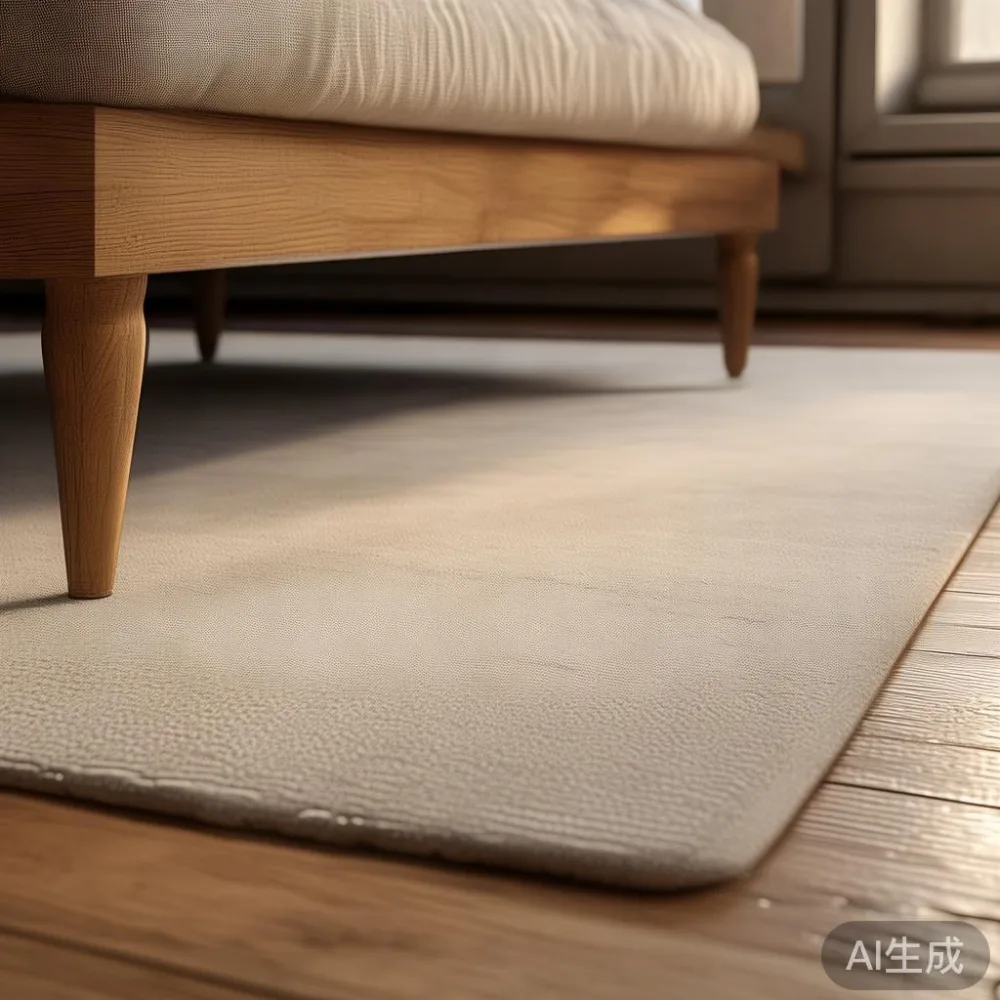
Look for descriptions that specify 'hardwood' or 'solid wood' frames. Avoid vague terms like 'engineered wood' or 'particleboard' for the primary structure, as these materials are less durable and more prone to sagging. The joinery is another critical detail. The best frames use traditional woodworking techniques like mortise and tenon joints or dowel joints, which are mechanically interlocked for superior strength. Cheaper sofas often rely solely on staples, glue, and nails, which can loosen and fail under stress. A well-constructed frame with solid wood joinery is the single most important indicator of a sofa that will remain stable and comfortable for a decade or more.
How to Assess Cushion Comfort Without a Physical Test?
The cushions are where you and your sofa interact most, so their construction is paramount. When you can't sit, you must become a detective of cushion specifications. The key lies in understanding the fill materials and their density. High-quality cushions typically use a combination of materials. The core is often a high-density foam, usually rated in kilograms per cubic metre (kg/m³). A foam density of 30 kg/m³ or higher is considered good for everyday use, while anything above 40 kg/m³ is excellent for long-term support and resilience. This foam provides the foundational structure.

Layered on top of this foam is usually a natural material like goose down or a high-quality polyester fibrefill. Down provides a luxurious, plush feel that moulds to your body, while fibrefill offers a more consistent, supportive bounce. The best cushions use a 'blend' of both, often with a ratio specified by the manufacturer. For example, a cushion with a 70% down and 30% feather blend wrapped around a high-density foam core will offer both softness and support. Ask the retailer for these specific ratios and foam density ratings. A vague description like 'soft and comfortable' is a red flag; a detailed specification is a sign of a manufacturer who is confident in their product's quality.
What is the True Fabric Care Requirements for Your Lifestyle?
The fabric is the most visible part of your sofa, and its characteristics will define both the look and the practicality of your purchase. This is where the concept of **fabric care** becomes central. When you can't test the material yourself, you must rely on detailed information provided by the seller. Start by identifying the fabric type. Natural fibres like linen offer a beautiful, breathable texture but are prone to wrinkling and staining. Synthetic fibres like polyester or microfibre are more durable, stain-resistant, and easier to clean, making them ideal for homes with children or pets.
Regardless of the material, a high-quality sofa will feature a protective treatment. This is a clear, invisible coating applied to the fabric that acts as a shield against spills and stains. This treatment is a cornerstone of modern **fabric care**, allowing you to blot a spill with a clean cloth before it sets. It's important to ask about this treatment and, more importantly, how to maintain it. The protective layer can wear off over time with regular cleaning, so understanding the recommended cleaning methods and whether the treatment can be reapplied is important for preserving your sofa's appearance. A sofa with excellent **fabric care** properties will have clear instructions on how to care for it, ensuring its longevity and pristine look.
Can a Post-modern for small living room Really Fit Your Space?
Visualising a sofa in your home is one of the hardest parts of online shopping. A 'post-modern for small living room' style might look perfect on a website, but will it actually fit through your door and into your desired spot? Precision is non-negotiable. You need three sets of measurements: the sofa's dimensions, the dimensions of the individual boxes it will arrive in, and the dimensions of your access points.
For HDB flats, the standard lift car size is approximately 110 cm wide by 210 cm deep. Your sofa's individual packaging must fit within these dimensions. Measure the width of your apartment corridor and the width of your main doorway. For a condo in Punggol with a wider entrance, you have more flexibility, but for an older HDB flat in Bedok, every centimetre counts. A sofa that is 88 cm wide will fit through a standard 90 cm door, but one that is 92 cm will not. Always add a few centimetres to your measurements to account for packaging material. It is far better to have a sofa that arrives in two manageable boxes than one that is too large to get into your home. This level of planning ensures a smooth delivery process and avoids the nightmare of a beautiful sofa stuck in the lobby.
What is the True Cost of Ownership Beyond the Price Tag?
The sticker price on a sofa is only the beginning of your investment. The true cost of ownership includes delivery, potential GST, and the longevity of the product. In Singapore, all purchases are subject to 9% GST. Ensure the price you see is either inclusive or exclusive of this tax to avoid surprises. Delivery is another significant factor. Many retailers offer free shipping for orders above a certain value, typically SGD 1,500 to SGD 2,000. If your purchase is below this threshold, delivery fees can range from SGD 80 to SGD 200 or more, depending on the size of the item and the location.
Consider the warranty as a form of long-term value. A 10-year structural warranty on the frame and a lifetime refinishing policy on the wood components are indicators of a manufacturer's confidence in their product. This means that if the frame cracks or the finish wears down over many years, the company will repair or replace it. This peace of mind is an invaluable part of the sofa's total value. A cheaper sofa with a one-year warranty might seem like a bargain now, but could cost you more in the long run if it needs to be replaced in just a few years. Factoring in these costs and guarantees gives you a complete picture of the investment you are making.
How Can I Verify the Quality and Reputation of the Brand?
When you cannot physically inspect a product, the brand's reputation becomes your most reliable guide. A company's history and policies speak volumes about its commitment to quality. For instance, a brand established in 2008, like MIDHILL, has over a decade of experience in crafting solid wood furniture. This longevity suggests they have refined their processes and understand what makes a durable product. Their export to 15+ countries is another positive sign, as it implies their products meet international standards for quality and safety.
Customer reviews and testimonials are an invaluable resource. Look for detailed reviews from other Singaporean customers. Pay attention to comments about delivery experiences, the accuracy of online descriptions, and the quality of the furniture upon arrival. A good brand will be transparent about its policies, clearly stating its warranty terms, return policy (such as a 14-day returns window), and delivery process. If a brand is hesitant to provide this information or has a history of negative feedback regarding product quality or customer service, it is a significant warning sign. Investing in a reputable brand is the best way to mitigate the risks of buying a sofa you cannot sit on.
A Personal Experience: The Sofa That Almost Didn't Make It
Last month, my colleague, Sarah, who lives in a Tampines HDB flat, decided to buy a new sofa online. She found a beautiful Italian light luxury for dining room set that came with a complementary sofa. The photos were stunning, and the price was competitive. However, she failed to take precise measurements of her corridor and lift. When the delivery arrived, the sofa, beautifully packaged in a single large box, was 95 cm wide. Her apartment door and the lift were both only 90 cm wide. There was simply no way to get it in.
The delivery team was professional, but they couldn't perform magic. Sarah had to arrange for the sofa to be sent back, which incurred a significant restocking fee. She then had to start her search all over again, this time with a measuring tape in hand. She eventually found a European light luxury for apartment sofa from a different brand that arrived in two narrower boxes, each just 75 cm wide. It was a stressful lesson learned: never assume. Always measure twice, and always confirm the packaging dimensions, not just the sofa's size. This experience is a common one, and it underscores why this level of detail is so important for a successful online furniture purchase.
Final Considerations: Making the Confident Choice
By now, you should have a comprehensive checklist to guide your decision. You've learned to scrutinise the internal frame, understand cushion construction, investigate **fabric care** protocols, and meticulously measure your space and access points. You've also learned to evaluate the total cost of ownership, including GST, delivery, and the value of a solid warranty. This methodical approach transforms the daunting task of buying a sofa sight-unseen into a manageable and even empowering process.
Remember that your goal is to find a piece that aligns with your aesthetic and functional needs. Whether you're drawn to the clean lines of a minimalist aesthetic or the opulent feel of a French-inspired piece, the principles of quality assessment remain the same. A well-made sofa is an investment in comfort and style for your home. By focusing on the details that matter most, you can confidently select a sofa that you will love for years to come, turning the challenge of an online purchase into a triumph of informed decision-making.