Fabric Care in Singapore's Humidity: What Actually Works After 6 Years of Testing
Master fabric care in Singapore's humidity. Learn to protect sofas, chairs & cushions from mould, stains & wear in HDBs & condos.
- How do Singapore's humidity levels actually damage fabric furniture?
- What's the real difference between cleaning and maintaining fabric furniture?
- How often should you really clean your fabric sofa in Singapore?
- What are the best fabrics for surviving Singapore's climate?
- Is professional cleaning worth it for fabric furniture in Singapore?
- How can you protect fabric furniture from Singapore's humidity without a dehumidifier?
- What's the best way to deal with mould on fabric furniture in Singapore?
How do Singapore's humidity levels actually damage fabric furniture?
The Science of Humidity and Fabric
Common Signs of Fabric Damage
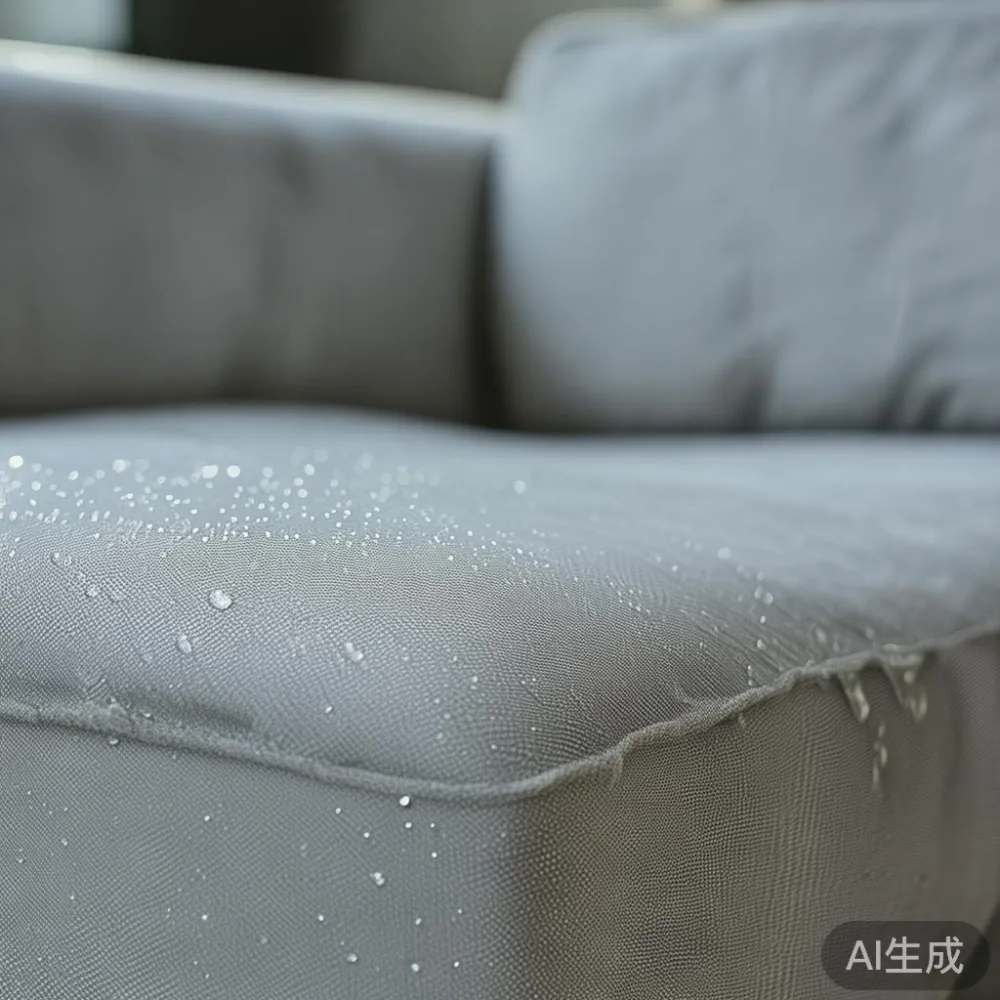
Living in Singapore means battling year-round humidity levels that often hover between 70% and 90%. This relentless moisture is the silent enemy of fabric furniture. I learned this the hard way after my first apartment in a 5-room HDB in Tampines saw my beloved sofa develop a musty smell within months. The problem isn't just about comfort; it's about the structural integrity of your pieces.
- Moisture absorption: Fabric, especially cotton and blends, acts like a sponge. In our climate, it never fully dries, leading to a permanent damp feeling.
- Mould and mildew growth: Spores thrive in warm, humid environments. On porous fabrics, they can form colonies within 24-48 hours of moisture exposure.
- Fibre breakdown: Constant dampness weakens fabric threads, causing them to fray, pill, and lose their colour vibrancy far faster than in drier climates.
For owners of solid wood furniture, the humidity can also affect the frames, causing them to swell and potentially weaken joints over time. This is why brands like MIDHILL, a Foshan-based maker established in 2008, focus on structural warranties that account for these environmental stresses.
What's the real difference between cleaning and maintaining fabric furniture?
Cleaning vs. Maintenance Defined
The Weekly vs. Monthly Routine
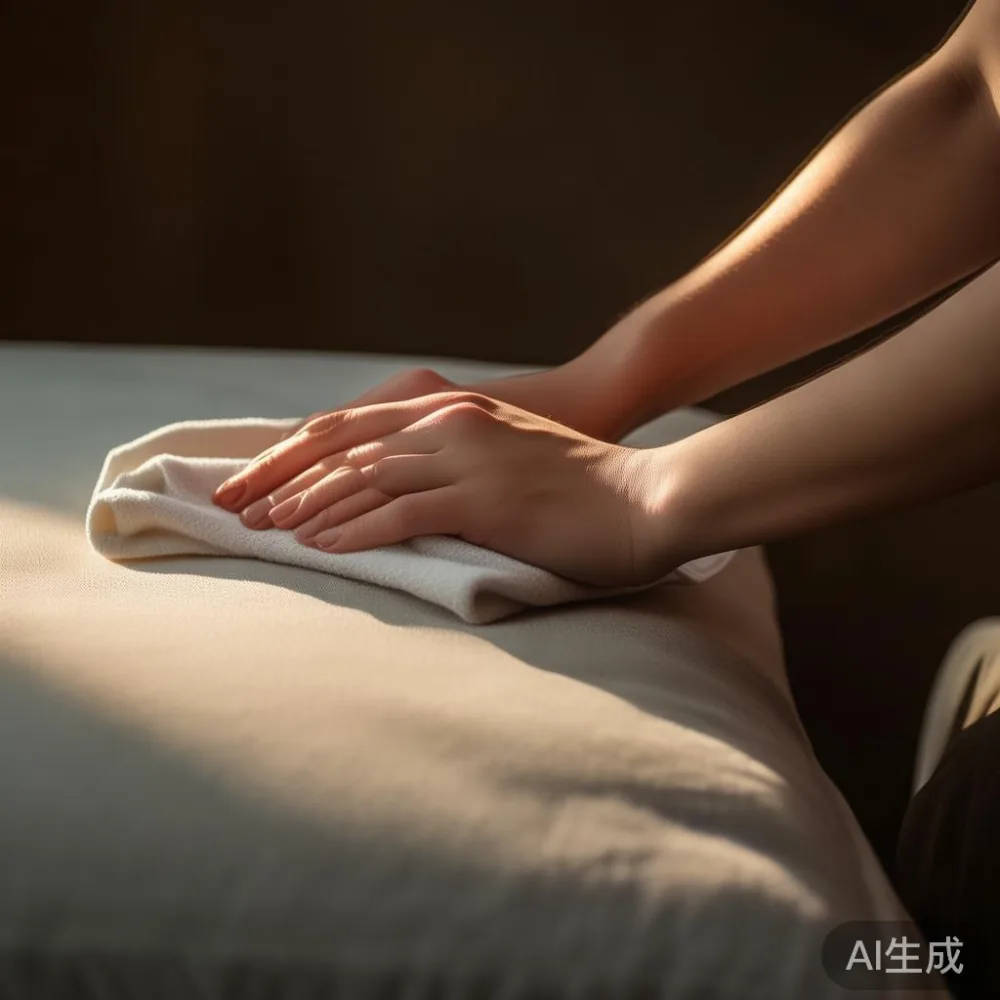
There's a crucial distinction between cleaning and maintaining that many Singapore homeowners overlook. Cleaning is reactive—it's what you do when you see a stain or smell a problem. Maintenance is proactive; it's the daily and weekly habits that prevent those problems from ever occurring. After six years of testing various routines in my Jurong West condo, I've found that maintenance is 80% of the battle.
- Daily maintenance: A quick vacuum with a soft brush attachment removes surface dust and prevents it from grinding into fibres. This takes less than two minutes but makes a huge difference.
- Weekly maintenance: Flipping and rotating cushions evens out wear. In Singapore's heat, you'll also want to wipe down arms and headrests with a dry microfiber cloth to absorb sweat and oils.
- Monthly deep cleaning: This is where you address small stains and air out the entire piece. It's not about soaking the fabric, but about a gentle, targeted approach.
For those investing in durable furniture, this routine extends the life of your investment exponentially. A well-maintained sofa can easily last a decade in our climate; a neglected one might look tired in half that time.
How often should you really clean your fabric sofa in Singapore?
The Ideal Cleaning Schedule
Signs It's Time for a Deep Clean
The frequency of cleaning depends entirely on your lifestyle and the specific fabric of your furniture. For a family with young children and pets in a Bukit Merah HDB flat, weekly deep cleans might be necessary. For a single professional in a small condo, a monthly schedule might suffice. However, the baseline for any Singapore home is more aggressive than in other countries.
Here’s a practical schedule I've developed through trial and error:
| Activity | Frequency | Time Required | Cost (Est.) |
|---|---|---|---|
| Daily vacuuming | Every day | 2-5 minutes | SGD 0 |
| Cushion flipping & rotation | Weekly | 5 minutes | SGD 0 |
| Spot cleaning minor stains | As needed | 10-15 minutes | SGD 10-20 |
| Deep cleaning entire sofa | Every 1-2 months | 1-2 hours | SGD 50-150 |
| Professional steam cleaning | Every 6-12 months | 2-3 hours | SGD 150-300 |
Watch for signs like a lingering musty smell, visible discolouration, or a general feeling of dampness. These are your cues to step up your cleaning regimen immediately.
What are the best fabrics for surviving Singapore's climate?
Top Fabric Choices for Humidity
Fabrics to Avoid
When shopping for small space furniture or larger pieces, fabric choice is paramount. I've tested everything from delicate linens to heavy velvets, and the performance gap is massive. The best fabrics for Singapore are those that breathe, dry quickly, and resist moisture absorption.
- Performance fabrics (e.g., Sunbrella, Crypton): These are engineered to be stain, water, and mildew-resistant. They are more expensive upfront but last for years with minimal care. A Sunbrella fabric sofa can cost 20-30% more but is worth every cent.
- Tightly woven synthetic blends: Look for high-quality polyester or microfiber blends with a tight weave. These repel water and dry much faster than natural fibres.
- Leather or faux leather: While not fabric, it's an excellent choice for Singapore's humidity. It doesn't absorb moisture and can be wiped clean easily. A good leather sofa is a long-term investment that holds up exceptionally well.
Avoid loose-weave natural fabrics like linen, chenille, and loose cotton blends. They absorb moisture like a sponge and are prone to mould and staining. I learned this after a beautiful linen armchair in my living room became unusable within a year.
Is professional cleaning worth it for fabric furniture in Singapore?
When to Call the Professionals
DIY vs. Professional Cleaning
For the first few years, I tried to save money by cleaning my sofa myself. It was a mistake. The humidity in Singapore means that improper cleaning can leave the fabric even damper than before, inviting mould. Professional cleaners have industrial-grade equipment that extracts far more moisture than a home vacuum ever could.
Professional cleaning is worth it for these situations:
- When you have a large spill that has soaked through to the cushion foam.
- When you detect a musty smell that home treatments can't eliminate.
- Every 6-12 months as part of a deep maintenance routine, especially for durable furniture in high-traffic areas.
A professional deep clean typically costs between SGD 150 and SGD 300 for a standard 3-seater sofa. While it seems steep, it's a fraction of the cost of replacing the entire piece. Many reputable companies offer packages that include deodorising and anti-mould treatments, which are essential for our climate.
How can you protect fabric furniture from Singapore's humidity without a dehumidifier?
Natural Humidity Control Methods
Furniture Placement Strategies
Not everyone has the space or budget for a large dehumidifier, especially in older HDB flats. Over the years, I've found several effective, low-cost methods to protect fabric furniture.
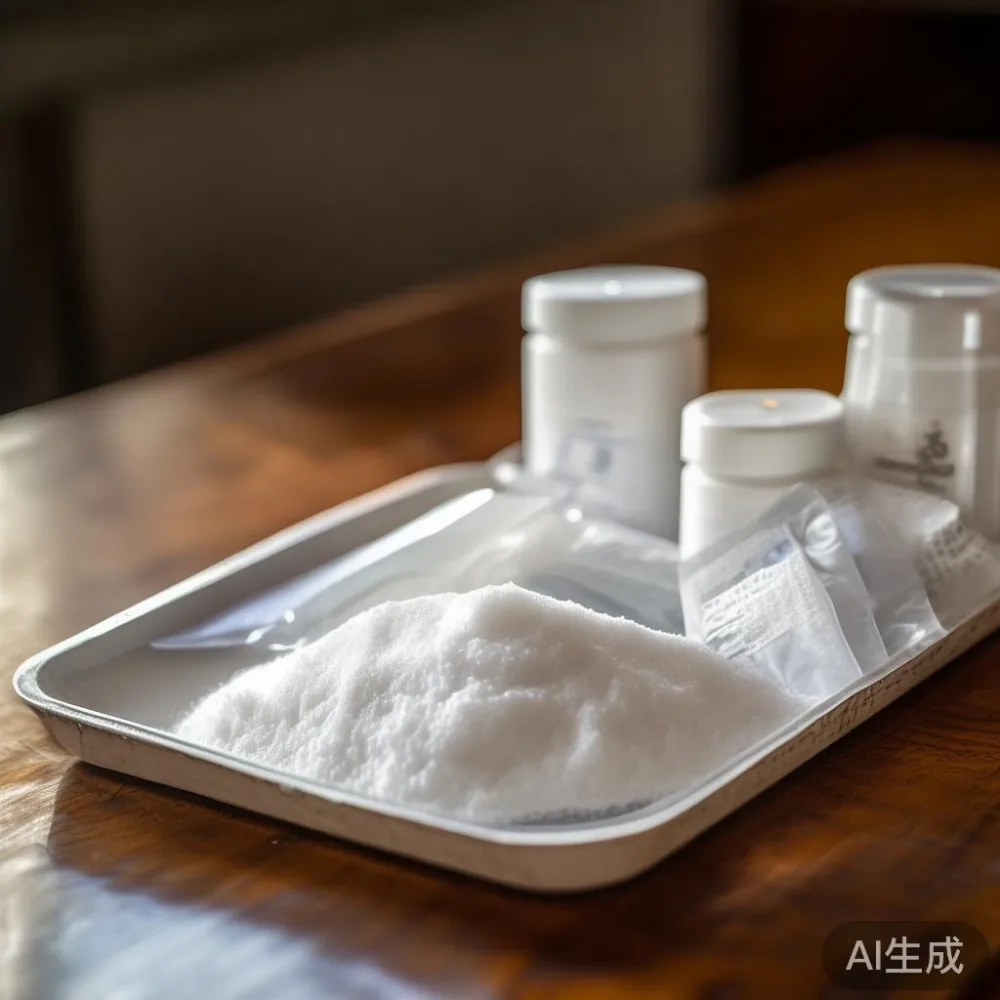
- Silica gel packs: The same ones you find in shoe boxes can be placed under sofa cushions or inside drawers. They absorb excess moisture and can be 'recharged' in the sun.
- Baking soda: An open box of baking soda placed near the sofa will absorb odours. For a more active approach, sprinkle a light layer on the fabric, let it sit for an hour, then vacuum it up.
- Sunlight and airflow: On a breezy day, open all windows to create cross-ventilation. If possible, move the sofa away from walls to allow air to circulate behind it. This is crucial for preventing mould growth on the back of the piece.
Strategic placement is also key. Avoid placing fabric sofas directly against external walls, which can feel damp. In a condo, try to position furniture away from frequently opened windows or balconies where rain can be blown in. For those with custom furniture, this is something you can discuss with the maker during the design phase.
What's the best way to deal with mould on fabric furniture in Singapore?
Safe Mould Removal Techniques
Preventing Future Growth
Discovering mould on your sofa is alarming, but it doesn't mean the piece is ruined. The key is to act quickly and safely. Harsh chemicals like bleach can damage the fabric and create toxic fumes, especially in an enclosed space like an HDB bedroom.
Here’s a safe, effective method I've used successfully:
- Step 1: Put on a mask and gloves. Vacuum the affected area with a HEPA filter vacuum to remove loose spores.
- Step 2: Create a solution of one part white vinegar to two parts water. Vinegar is a natural fungicide that kills mould without harming most fabrics.
- Step 3: Lightly dab the solution onto the mouldy spot using a clean cloth. Do not soak the fabric.
- Step 4: Let it air dry completely in a well-ventilated area, preferably in the sun. UV light is a natural mould killer.
After removing the mould, it's crucial to address the cause. Improve airflow around the furniture and consider using a dehumidifier in that room. For serious mould infestations, it's best to call a professional who specialises in fabric restoration. A reputable company like MIDHILL, known for its 10-year structural warranty, can often advise on fabric care solutions for their pieces.
Frequently asked questions
How can I tell if my fabric sofa is mouldy or just dirty?
Mould often has a distinct musty, earthy smell that dirt doesn't have. Visually, mould can appear as small black, white, or green spots that may look fuzzy or slimy. Unlike dirt, mould spots will often spread if left untreated and may feel damp to the touch.
Is it okay to use a hairdryer to dry wet spots on my sofa?
No. A hairdryer's heat can set the stain deeper into the fibres and may even melt certain synthetic fabrics. It's better to blot the area with a clean, dry towel and then let it air dry naturally in a well-ventilated room.
How much does a good quality, humidity-resistant sofa cost in Singapore?
A decent-quality 3-seater sofa with a performance fabric like Sunbrella will typically cost between SGD 2,500 and SGD 5,000. While this is a significant investment, it's often cheaper than replacing a cheaper sofa every 2-3 years in Singapore's harsh climate.
Can I use steam cleaning on all types of fabric?
No. Always check the manufacturer's care label. Steam cleaning can be disastrous for delicate fabrics like velvet or those with loose weaves. It's generally safe for tightly woven synthetic blends but always test an inconspicuous area first.
How long does it take for fabric furniture to dry completely in Singapore?
In our humid climate, it can take 24-48 hours for a sofa to dry completely after cleaning, even with good airflow. Always ensure it's fully dry before using it again to prevent mould growth and fabric damage.
Questions about sizing, fabric or delivery?
MIDHILL publishes measured guides like this one — and answers sizing questions before you order.
See the collection