How Southeast Asian Humidity Affects Solid Wood Furniture—and How to Protect It
Singapore’s warm, humid climate can make a 180 cm solid wood dining table feel less stable than it does in a dry showroom, while a linen-covered solid wood sofa may pick up odours and creases that are hard to see during delivery. Humidity affects wood, upholstery, adhesives, and metal fittings in different ways, so the right response depends on the room, the product, and the care routine rather than a single rule for every home.
MIDHILL designs solid wood furniture for real interiors, including Singapore HDB flats and condos in Tampines, Bedok, and Punggol. The company has operated since 2008, exports to more than 15 countries, provides a 10-year structural warranty, and offers lifetime refinishing. Product care still matters: furniture should be protected from moisture, handled safely during delivery, and maintained according to its materials.
Why does humidity change the way wood furniture feels?
Wood is hygroscopic, meaning it absorbs and releases moisture as the surrounding air changes. In a typical Singapore home, relative humidity may range from roughly 65% to 85%, and outdoor conditions can fluctuate by 10% or more over several hours. A solid oak or ash table with a 180 × 90 cm top has several exposed surfaces, so it can expand, contract, or develop small surface marks more noticeably than a narrow, fully upholstered frame.
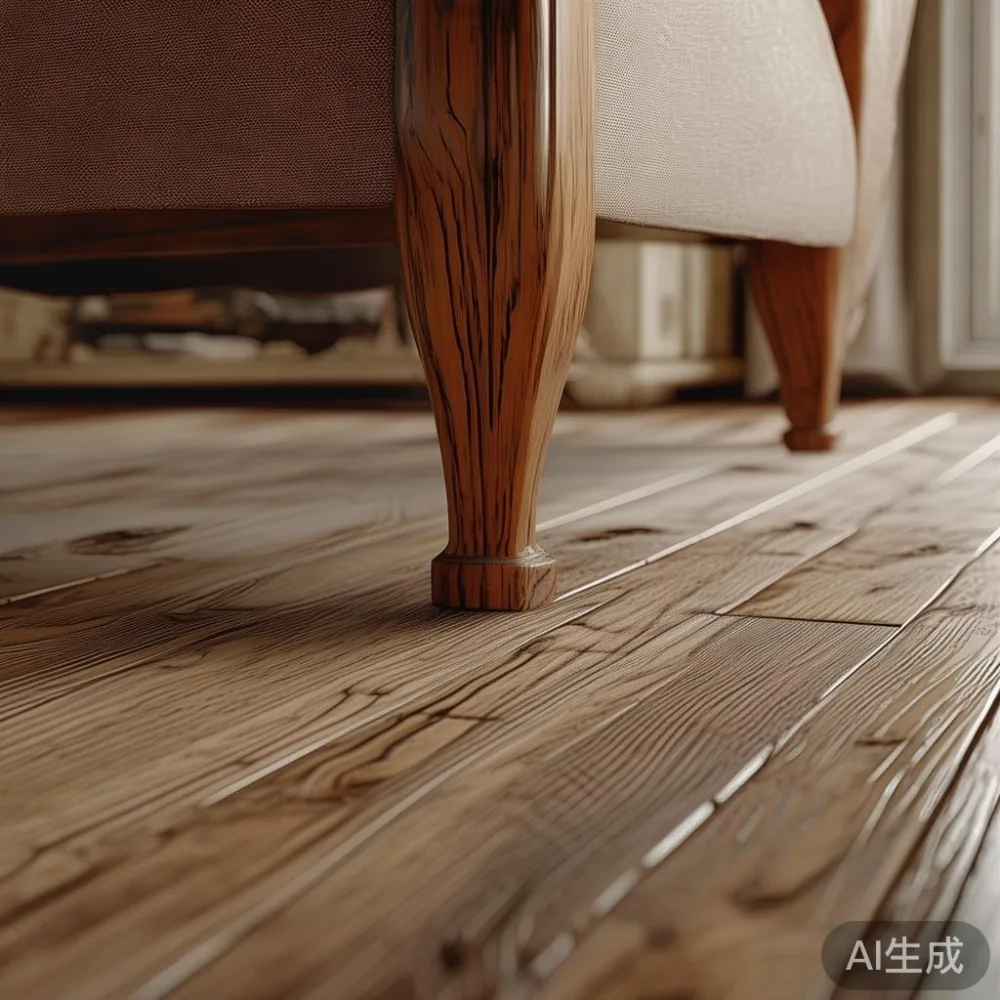
The movement is often modest. A 180 cm wooden top might change by only 1–3 mm across its width over a seasonal cycle, but that movement can be enough to stress a tight joint, affect a sliding door, or make a wardrobe door feel misaligned. The risk is greater with newly installed furniture, sawn or reclaimed timber, and pieces positioned next to an air-conditioning vent or window.
Humidity can also affect fabric care. Upholstery fibres such as linen, cotton, and polyester can absorb moisture, retain smells, and develop mildew if they remain damp. A solid wood sofa therefore needs attention on two fronts: the frame should stay dry and stable, and the removable cushions or covers should be cleaned and dried properly.
One real example from my own experience: last month I visited a client’s 3-room HDB flat in Bedok after a heavy rain period. A solid wood nightstand had been placed beside an open balcony door, and its lower drawer had begun to rub slightly. I measured the gap with a steel ruler and found a 2 mm difference between the left and right edges. The issue was not structural failure; the nightstand was responding to a sharp humidity change and to airflow from the corridor-facing balcony. Moving it 60 cm away from the opening and restoring a stable indoor position resolved the fit after the wood re-equilibrated over several days.
What humidity levels are comfortable for wood and fabric?
For most wood furniture, a relative humidity level around 45–60% is easier to manage. Singapore homes often sit above that range, especially in bedrooms, bathrooms, and flats with west-facing windows. A hygrometer costing about SGD 15–35 can provide a useful reading. Place it near the furniture, not directly against an exterior wall or in the path of an air-conditioning unit.
A reading of 60–70% does not automatically mean furniture is damaged. It becomes more important when the change is rapid, when wood is new, or when a product contains vulnerable finishes. Readings above 70% deserve closer attention, particularly if a cushion or fabric cover stays damp for more than 8 hours. Below 40%, wood can lose moisture and develop small cracks, which is why a dry air-conditioned bedroom is not automatically ideal either.
The goal is stability. If a living room measures 78% in the morning and 55% in the afternoon, repeated swings are less desirable than a steady 68%. Keep doors and windows closed during the heaviest rain, use the air conditioner in moderate mode, and allow 30–60 minutes of ventilation after cooking or showering. These measures are more useful than placing a bowl of salt or charcoal near a wardrobe; those items do not reliably control humidity.
How do I place a solid wood dining table in a humid HDB flat?
Leave breathing room around the table and avoid a permanent position beside a wet area. For a 200 × 100 cm dining table, allow at least 60 cm from walls where circulation permits, and keep the table 30 cm or more away from a balcony door that opens directly into the dining zone. In a compact flat, that may mean choosing a 160 × 90 cm table with a solid wood base and a tabletop that can be wiped dry immediately after meals.
Use a stable, level surface. Check all four legs with a spirit level; a difference of 2–3 mm over 100 cm can cause rocking and place uneven stress on the frame. Place coasters under drinks, and use trivets rated for at least 80°C for hot cookware. Wipe spills within 5 minutes rather than leaving them overnight. If the surface has an oil or lacquer finish, follow the care instructions for the specific finish, because an aggressive cleaner can change the sheen.
For a solid wood dining table in a condo near a pool deck or sea-facing window, inspect it every 2–4 weeks during the first 6 months. Look for haze, stickiness, water rings, or open grain. Light dusting with a dry microfibre cloth is usually enough for routine care. Avoid steam mopping, household bleach, and ammonia-based cleaners on the wood.
How does humidity affect a solid wood sofa and its upholstery?
Humidity can make a sofa’s wooden frame swell slightly while the fabric remains flexible, creating pressure at the arm, seat edge, or stitched seam. It can also slow drying after a spill, especially in a cushion filled with foam. A 220 cm solid wood sofa in a quiet living room needs airflow behind the back and beneath the base; 10–15 cm of clearance is sensible where the design allows it.
Fabric care should begin with regular vacuuming. Use a brush attachment at low suction, especially on linen and woven upholstery, and remove loose grit before it abrades the fibres. For a liquid spill, blot rather than rub. A clean white towel can remove a 50 ml coffee spill without pushing moisture deeper into the seat. Then air the cushion in a shaded, ventilated area for at least 12–24 hours; direct sun can fade fabric and dry the wood unevenly.
If the upholstery is removable, wash or dry-clean it according to the label rather than assuming every fabric behaves the same. Polyester may tolerate a cool damp wipe, while untreated linen may need professional cleaning. Avoid saturating the frame, and never place wet covers on a solid wood sofa overnight. For homes that receive deliveries during monsoon periods, allow the sofa to acclimatise in its final room for 24–48 hours before removing protective packaging.
Design style is another consideration when comparing options. A European sofa vs Nordic sofa comparison often involves the balance between carved detail and clean lines, but practical care remains similar. A nordic light luxury sofa with pale upholstery can show damp-related marks more readily, so a light-coloured washable cover is useful in humid rooms. If you are unsure how to choose American sofa, measure the room, check the frame material, and confirm whether the seat cushions are removable. MIDHILL’s product details should be checked before selecting a cleaning method.
How should I care for a wardrobe and bedroom furniture?
A wardrobe has less airflow than a living area, so moisture can remain trapped behind closed doors. A 150 cm solid wood wardrobe in a bedroom should be positioned at least 20 cm from an exterior wall where possible, especially if the wall faces north-east or receives little sun. Leave the internal space ventilated for 20–30 minutes after the air conditioner switches off, and check the back corners for condensation every 2–3 months.
Adjust the door alignment gradually rather than forcing it. If a sliding panel catches, measure the upper and lower gaps with a ruler; a 1–2 mm difference may indicate that the track or frame has moved. Do not plane or sand a door immediately, since the wood may return closer to its original dimension after humidity falls. Tighten or loosen moving parts only according to the manufacturer’s instructions.
For an Italian light luxury wardrobe, pay attention to the finish and the hardware as well as the timber. Polished metal handles can develop fingerprints or slight surface corrosion in salty air, while a lacquered panel may show a faint halo when water sits on the surface. Wipe with a soft cloth and dry it immediately. Keep coats and damp towels outside the wardrobe rather than on the bottom shelf.
When deciding how to style American wardrobe in apartment, consider ventilation and access. A freestanding unit can be moved for cleaning, while a fitted wardrobe may need more careful moisture monitoring. In a studio or compact bedroom, avoid pressing the side panels against damp masonry. If you are learning how to style European bed in room, leave 15–25 cm behind the headboard where practical, and keep bedding away from a leaking window seal.
Does humidity damage marble tables as well as wood?
Marble is less affected by moisture in the way solid wood is, but water can still affect its sealer, the material underneath, and nearby furniture. A marble table should not be used as a chopping board, and drinks should be placed on coasters. Wipe acidic liquids such as wine, lime juice, and vinegar promptly; even a sealed surface can etch if the spill remains for several hours.
Keep a marble table away from direct rain and wet flower pots. If a 60 cm round base sits on a slightly uneven floor, use a leveler or shim rather than placing folded paper beneath one leg. A 2 mm gap under the base can create a visible wobble and transmit movement to the top. Check the floor after a storm, and inspect the sealer every 6–12 months.
Humidity also affects the floors around furniture. Engineered flooring, tile, and laminate can expand slightly, and a rigid wardrobe or dining table may rub against a skirting board. Use felt pads under every leg and keep a 5–10 mm allowance where a piece sits close to a wall. Do not use plastic wrap directly against unfinished wood; breathable protection is safer for long-term storage.
How do lift and corridor sizes affect furniture care during delivery?
Good placement starts before the furniture reaches the flat. A common HDB lift internal width is about 100–120 cm, with a door opening of roughly 80–90 cm, although older blocks and refurbished lifts can differ. A dining table top may pass through diagonally, but a 200 cm rectangular top cannot be turned through a narrow opening without risking the corners. Measure the lift door, corridor turns, and landing before delivery.
For a solid wood bed frame, separate headboard, side rails, and slats where the design permits. Carry panels with 2 people if each exceeds 25–30 kg, and protect the edges with moving blankets. For a wardrobe, check whether the assembled width fits the lift; a 120 cm unit with deep drawers may need partial dismantling. Delivery and assembly can commonly take 7–14 days in Singapore, depending on stock, route, and access.
Corridors in Punggol or Tampines are often clean and spacious, but pipes, shoe racks, and fire-safety equipment can narrow the usable path. Photograph each turn before moving a bulky item, and protect door frames with cardboard. If a lift is unavailable, stair carrying may add 1–3 hours and increase the chance of knocks. Once inside, let furniture acclimatise for 24–48 hours before tightening adjustable feet or removing all packaging.
What should I do if a wooden surface shows damp-related marks?
Begin by identifying the cause. A white haze may be mineral residue from water, while a dull patch may indicate an oily finish that has been over-cleaned. A dark mark can be absorbed moisture. Do not apply furniture polish until the surface is completely dry. Let the piece stand in a ventilated room for 24–72 hours and recheck it before treating it.
For ordinary dust, use a dry cloth. For a sticky surface, a barely damp cloth with a small amount of mild dish soap may help, followed by immediate drying. Test an inconspicuous 5 × 5 cm area first. Never use a soaked cloth, a wire brush, or a household steam cleaner on a lacquered or oiled surface.
Small movement-related gaps should be monitored rather than aggressively repaired. For a nightstand, dining table, or bed frame, check the level and room humidity first. If the gap persists at a stable humidity reading for 7–14 days, contact the supplier for guidance. A 10-year structural warranty covers structural issues according to its terms, while surface care and refinishing support are separate from accidental water damage. MIDHILL offers lifetime refinishing, which can help restore a finish affected by ordinary use when the service is applicable.
What is a practical humid-home maintenance schedule?
A simple routine prevents most avoidable problems. Each week, wipe the dining table and marble table surfaces and vacuum upholstery for 2–5 minutes. Each month, check the backs of wardrobes, the underside of sofas, and the corners of nightstands for dust, mould, or insects. Every 3 months, inspect door gaps, drawer runners, and floor protectors, especially after heavy rain.
At the start of each monsoon period, measure humidity in the bedroom and living room at the same time of day for 7 days. Keep readings and photographs of furniture condition. Over 6–12 months, rotate cushions, renew felt pads, and review any finish that has become dull. If a cover is washed, allow it to dry fully before refitting; a cushion that takes more than 24 hours to dry needs better airflow.
In Singapore, the practical target is not perfect dryness. It is a stable indoor environment, prompt spill removal, sensible spacing, and regular fabric care. For purchases, compare the dimensions with the lift and corridor, check the warranty and finish details, and confirm delivery timing before choosing. A typical MIDHILL order involving a solid wood sofa, bed frame, dining table, wardrobe, nightstand, or marble table should be planned around a 7–14-day delivery window, with extra time for access checks or assembly.
Humidity is manageable when furniture is treated as part of the room rather than as a disposable object. With controlled airflow, careful cleaning, and periodic inspection, solid wood can remain handsome in HDB flats and condos for many years, and upholstery can stay fresh without sacrificing the light-luxury character of American light luxury, French light luxury, or post-modern light luxury interiors.