Styling a Small Singapore Apartment Without Feeling Crowded
Living in a Singapore apartment, whether a compact 45-square-metre HDB flat in Tampines or a streamlined condo unit in Punggol, presents a unique design challenge. The desire for a comfortable, stylish home often clashes with the physical reality of limited space. The key is not to make rooms feel larger through illusion, but to curate a space that feels intentional, airy, and uncluttered. This involves a thoughtful approach to furniture selection, layout, and the often-overlooked element of fabric care. The right choices can turn a confined area into a personal sanctuary that feels open and inviting.
Why Your Furniture Choices Matter More Than You Think
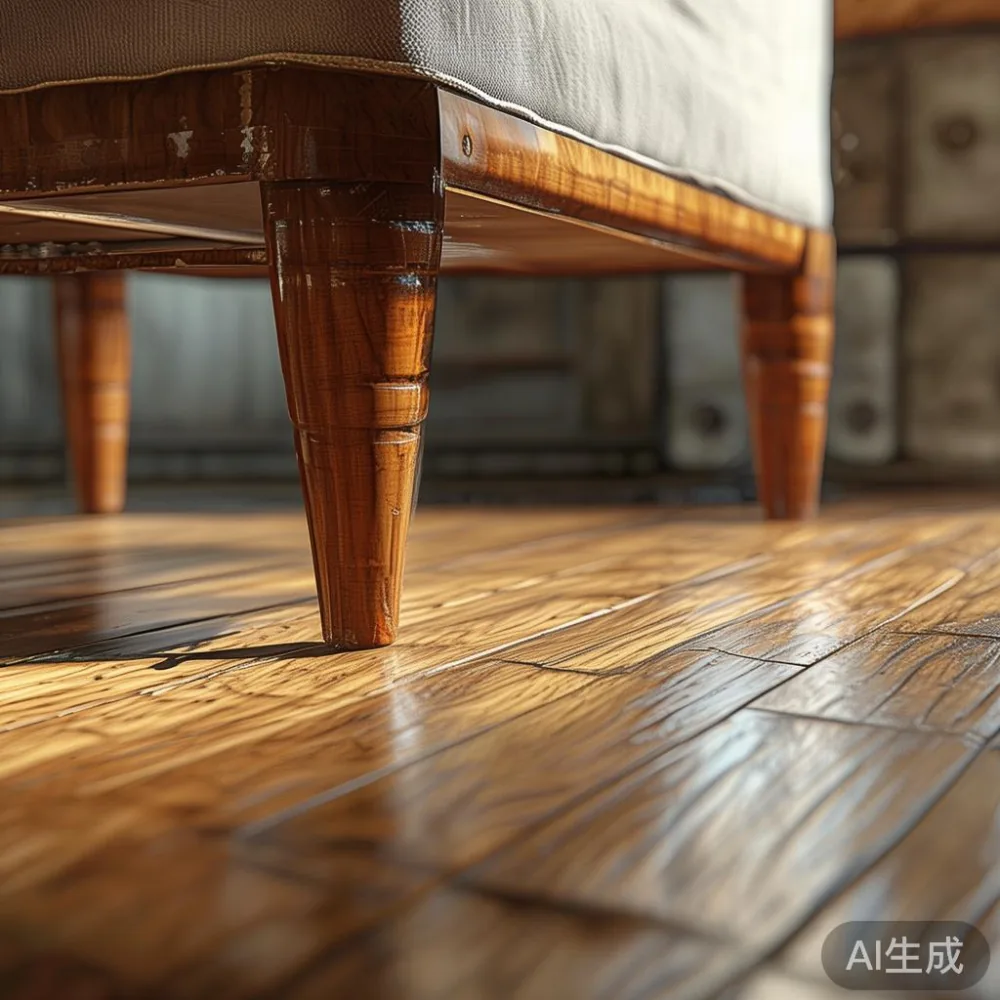
In a small apartment, every piece of furniture does more than one job. It’s a structural element, a storage solution, and a design statement all at once. A bulky sofa can dominate a living room, making movement difficult and visually shrinking the space. A poorly placed dining table can block the flow from the kitchen to the living area, creating a constant sense of congestion. The goal is to select pieces that are proportionate to your room and offer hidden benefits. For instance, a solid wood sofa with a low-profile base can create a sense of openness, while a dining table with built-in storage eliminates the need for a bulky sideboard. The materials and finishes you choose also play a significant role. Light-coloured woods and reflective surfaces can help bounce light around a room, making it feel brighter and more expansive. Remember, the furniture is the foundation of your home's fabric care; it sets the tone for how the entire space is perceived and maintained.
How Do You Choose Furniture That Won't Overwhelm Your Space?
Selecting furniture for a small apartment requires a strategic mindset. Start by measuring your space with a tape measure, noting the exact dimensions in centimetres. Record the width of your lift if you live in a high-rise and the width of your corridor. This data is invaluable. When shopping, look for pieces with dimensions that fit comfortably within these parameters. For a living room, consider a sofa that is no more than 180 cm long in a compact space. This allows for a clear walking path of at least 60 cm in front of it. Opt for furniture with exposed legs, like a bed frame or a dining table on slender legs. This creates a visual break between the furniture and the floor, making the floor space appear larger. Multi-functional pieces are your best friend. A coffee table that can also serve as a dining table or a desk, or an ottoman with hidden storage, can reduce the number of items in a room. The visual weight of furniture is also important. A heavy, dark, solid wood dining table can feel oppressive, whereas a lighter, marble-topped version with a minimalist base can feel airy and sophisticated.
Maximising Storage Without Adding Bulk
Clutter is the enemy of a small space, and the best way to combat it is with smart storage. A wardrobe is often the largest piece of furniture in a bedroom, so choosing the right one is critical. For a master bedroom in a Bedok HDB flat, a 2-door wardrobe with a width of 120 cm and a depth of 60 cm is a common and practical choice. Look for internal organisers to maximise every inch of space. If floor space is extremely tight, consider a wardrobe that extends all the way to the ceiling. This draws the eye upward and eliminates the awkward gap above a standard wardrobe where dust and forgotten items accumulate. For the living room, a console table behind the sofa can offer storage for books, remotes, and decorative items, keeping the main area clear. In the dining room, a sideboard with drawers is perfect for storing table linens, serving ware, and everyday items. The key is to integrate storage smoothly into your design so it feels like a natural part of the room, not an afterthought. Proper fabric care for items stored in these units, such as using breathable garment bags for off-season clothing, is also part of maintaining a tidy home.
Creating a Cohesive Colour Palette and Flow
A consistent colour palette can make a small apartment feel significantly larger and more unified. When you use the same or similar colours on walls, large furniture pieces, and even textiles, you create a sense of continuity that the eye can travel over without interruption. This doesn't mean everything has to be one colour. A popular approach is to use a neutral base for walls and large furniture, like a soft grey or beige, and then introduce colour through smaller items like cushions, artwork, and a single accent chair. This adds personality without overwhelming the space. The flow between rooms is also important. If your living room, dining area, and kitchen are part of an open-plan layout, ensure the furniture arrangement allows for easy movement. Avoid placing a sofa directly in the middle of a walkway. Use rugs to define different zones—for example, a rug under the coffee table and seating area to anchor the living space, and another under the dining table to define the eating area. This creates a sense of separation without the need for physical walls. My colleague, who recently moved into a new condo in Punggol, found that using a consistent oak wood finish on her solid wood sofa, dining table, and bed frame created a wonderful sense of flow, making her 60-square-metre apartment feel much more connected and serene.
Lighting and the Illusion of Space
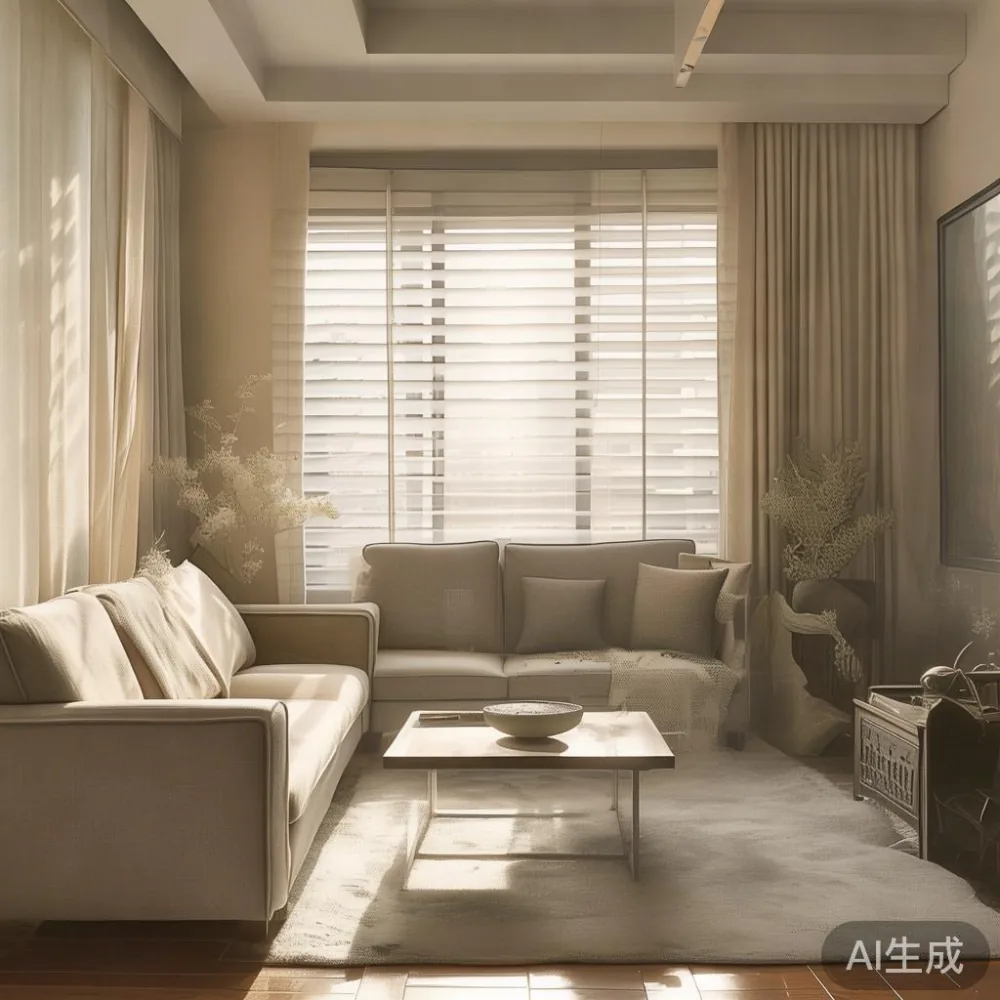
Light is one of the most powerful tools for making a small space feel larger. Natural light should be your priority. Keep window treatments simple and light, such as sheer blinds or lightweight curtains that can be pulled completely aside during the day. If privacy is a concern, consider frosted film on lower panes of glass. For artificial lighting, avoid relying on a single, harsh overhead light. This creates harsh shadows and can make a room feel smaller. Instead, use a layered lighting approach. Start with ambient light, like a stylish pendant light or a flush-mount ceiling fixture in the centre of the room. Then, add task lighting, such as a reading lamp on a nightstand or an adjustable floor lamp next to a chair. Finally, incorporate accent lighting, like wall sconces or LED strips under shelves, to add depth and highlight architectural features or favourite decor pieces. A well-lit room feels open and welcoming, while a dimly lit one can feel cramped and cave-like. The right lighting also helps you appreciate the texture and colour of your furniture and textiles, contributing to the fabric care of your home.
Practical Tips for Specific Rooms in Your Singapore Home
Each room in a small apartment has its own set of challenges and opportunities. In the living room, a French light luxury approach with a delicate, curved sofa can add a touch of elegance without taking up too much visual space. Pair it with a Modern light luxury coffee table featuring a marble top for a sophisticated yet airy feel. For the bedroom, a bed frame with built-in drawers or a lift-up storage base is a standout piece. A nightstand with a narrow profile but multiple shelves can provide storage without encroaching on floor space. In the dining area, a Japanese for dining room style table, known for its clean lines and efficient use of materials, can be perfect. It often features a smaller footprint and clever designs like extensions that are stored within the table itself. For storage, a French provincial with storage buffet can offer a beautiful blend of style and function, with its carved details and ample cabinetry hiding away everyday clutter. The key is to think vertically and multi-functionally in every room.
Investing in Quality for Long-Term Style and Comfort
When space is limited, you cannot afford to have furniture that wears out quickly or goes out of style. Investing in high-quality, timeless pieces is a smarter long-term strategy. A solid wood sofa, for example, is an investment. It may have a higher initial cost, but it will last for decades, developing a beautiful patina over time. Unlike fast furniture that needs to be replaced every few years, a well-made piece becomes a part of your home's history. Consider the warranty and after-sales service. A 10-year structural warranty, for instance, provides peace of mind, knowing your investment is protected. Similarly, a lifetime refinishing service means you can refresh your furniture's appearance years down the line, extending its life and keeping your home looking current. This approach to fabric care—maintaining and restoring rather than replacing—aligns with a more sustainable and mindful way of living. It allows you to focus on acquiring fewer, better things that you truly love, which is the ultimate secret to styling a small home without it feeling crowded or cluttered.